Our realistic 48-hour Tokyo itinerary covers Shinjuku, Meiji Jingu, Shibuya, the East Imperial Gardens, Akihabara and Shinbashi, with practical lessons on heat, queues and pacing.
With 48 hours in Tokyo, we had enough time to experience several very different sides of the city: busy Shinjuku and Shibuya, the quieter grounds around Meiji Jingu and Yoyogi Park, the East Imperial Gardens, Akihabara and Shinbashi. We arrived from western Japan for a two-night stay in September, so heat, travel fatigue and limited time shaped every decision.
This is not an attempt to see all of Tokyo. It is a realistic look at how we spent a couple of days as a couple, with memorable ramen and udon stops, plenty of walking, and time to enjoy our hotel rather than treating it only as a place to sleep. We also adjusted as we went, skipping our original Akihabara plan on the first evening in favor of resting at the hotel.
We took the 8:30 AM Shinkansen to Tokyo and arrived at Tokyo Station around 9:30 AM. The train was impressively fast, but arrival day still involved a 15-minute taxi ride to New Otani Tokyo The Main and an early bag drop before we could properly begin exploring.
The hotel was part of the experience for us. Its large Japanese garden, red bridge and waterfall feature gave the property a quieter feel than we expected in Tokyo, while the lobby area also had shops and high-end restaurants. Since check-in was not yet available, leaving our bags made the rest of the day much easier.
We headed west for lunch at Ichiran Shinjuku, where we waited roughly 15–20 minutes in intense heat. For us, the ramen was worth the wait. The individual booth setup was remarkably efficient, and we could customize our bowls—Jack added extra noodles, while Alexia chose additional toppings.
Rather than forcing a rigid afternoon, we handled a few practical errands at Don Quijote and Yodobashi, then took an indoor break at a Mocha Cat Cafe. This worked well on such a hot day.
Later, we visited Meiji Jingu. Its wooded setting was a welcome change after busy commercial streets and hours in the sun. We continued through nearby Yoyogi Park and briefly walked toward Takeshita Street, but did not make Harajuku a major stop.
By late afternoon, we were ready to check in. Our upgraded Japanese-style room included a cypress bath, and after an early start and temperatures around 95°F, slowing down felt like the better choice.
We had originally planned to visit Akihabara that evening, but instead ordered sushi to the room, enjoyed sake and snacks, and went to bed early. On a short trip, we found that adapting to your energy level is better than trying to complete every planned stop.
Our second day was much fuller, combining several very different sides of Tokyo. It was manageable, but the heat, transit and restaurant queues meant we had to take breaks rather than treating every stop as a quick photo opportunity.
We began with breakfast at the hotel overlooking the garden. We chose à la carte rather than the buffet, ordering omelettes, with Jack also trying French toast. It was tasty, but a substantial breakfast felt heavy before a long day outside.
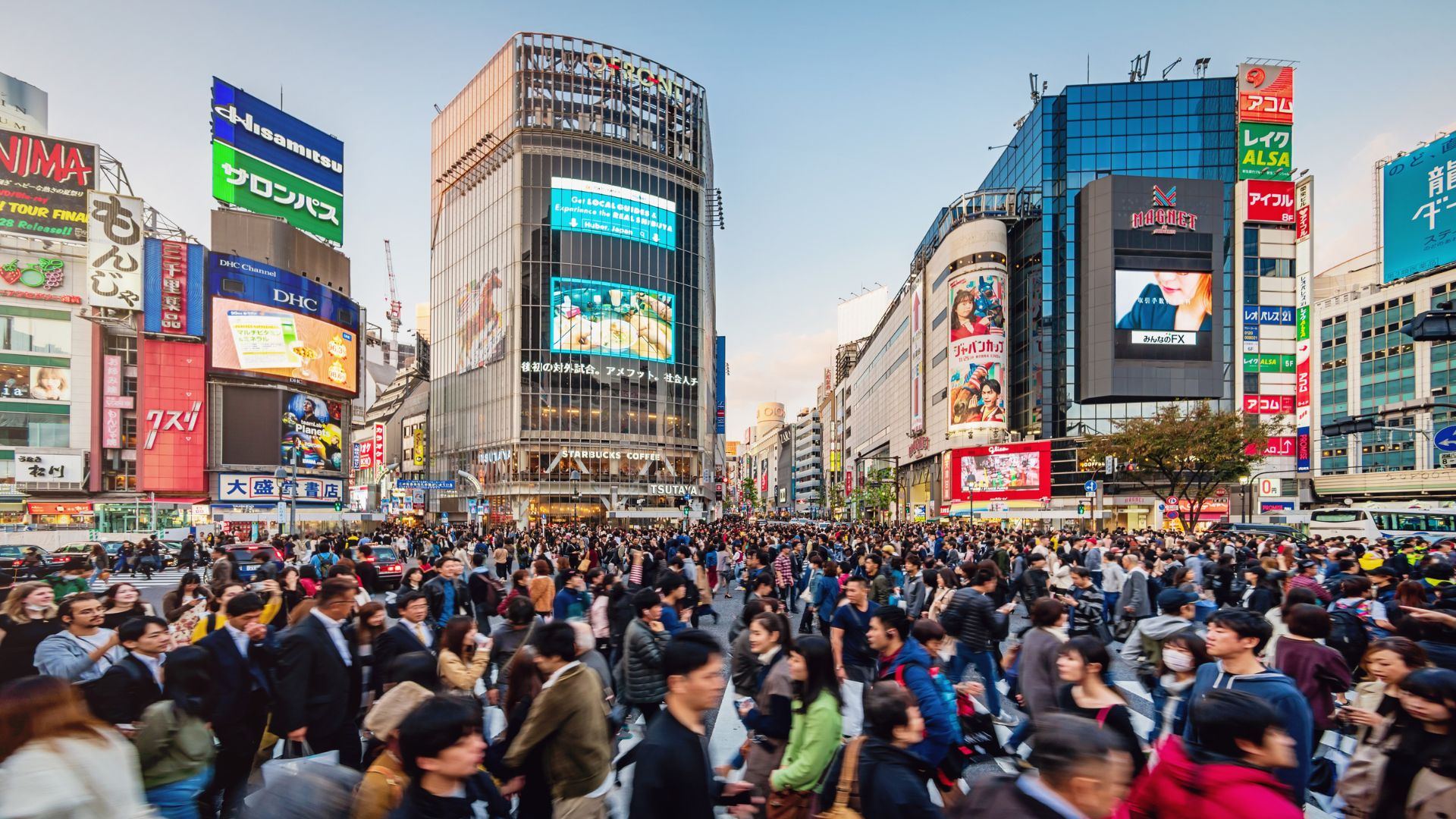
From there, we headed to Shibuya Crossing. We crossed it four or five times simply to take in the volume of people and energy at one of Tokyo’s best-known intersections. Then we walked north to Menchirashi for lunch, waiting around 30 minutes before getting a table. The carbonara-style udon with chicken tempura was delicious, and we also ordered lemon and grapefruit sours. Popular lunch stops can take a meaningful chunk out of a short itinerary, but for us, this one was worth the wait.
After lunch, we took the train to the East Imperial Gardens near Tokyo’s business district. The free green space was a quieter contrast to Shibuya, and we enjoyed learning about the former Edo Castle setting and the shoguns who defended it.
It was around 95°F, though, so we used umbrellas, stayed in the shade and did not try to cover every part of the gardens. In this kind of heat, it is better to see less comfortably than push through and lose energy for the rest of the day.
We continued to Akihabara to explore the enormous Yodobashi electronics store and browse the neighborhood’s anime and gaming atmosphere. We picked up Instax Mini film, then stopped for an A5 Wagyu and garlic-rice snack at the eighth-floor food court.
We also spent a short while at another Mocha Cat Cafe, which gave us drinks and an indoor break from the streets.
For our final dinner in Japan, we went to Ichiran in Shinbashi and waited another 30 minutes for ramen. We both felt queasy afterward, so we stopped at a pharmacy for herbal medicine before returning to pack. It was a packed day and a reminder that recovery time belongs in a 48-hour Tokyo itinerary too.
With only two days, grouping stops by area made far more sense than trying to zigzag across Tokyo. Our first day focused on Shinjuku and the Harajuku side of the city, including Meiji Jingu and Yoyogi Park. On day two, we linked Shibuya, the East Imperial Gardens and Akihabara.
We also recommend allowing your priorities to guide the route. We did not see everything, and that was fine. A short visit means choosing between food, shrines and gardens, shopping, anime culture, nightlife or simply more time enjoying your hotel.
Popular food stops took time: we waited roughly 15–30 minutes for ramen and udon. Factor that into the day rather than treating lunch as a quick break.
The September heat also shaped our pace. We used umbrellas, looked for shade and took indoor breaks when walking between stations became too much. Keep your phone fully charged before heading out, especially if you rely on mobile Suica, maps, tickets or your camera; our low battery on day one created unnecessary stress.
Finally, leave room to change plans. Skipping Akihabara on our first evening for the hotel bath and sushi delivery helped us recover for a fuller second day.
For us, two days in Tokyo was enough for a satisfying introduction, even if it only scratched the surface. We experienced the contrast between Shibuya’s huge crossing and shopping streets, the calmer space around Meiji Jingu and the Imperial Gardens, Akihabara’s electronics and anime atmosphere, casual ramen and udon meals, and a slower evening at our hotel.
What made the itinerary work was accepting that we would not do everything. Skipping Akihabara on our first evening gave us time to rest, and we were glad to have the energy for a fuller second day.
We recommend this approach for first-time visitors with limited time who want a varied taste of Tokyo. With longer, slow down and explore each neighborhood more deeply. Either way, let restaurant queues, hot weather and your energy level shape the day as much as your sightseeing list. If Tokyo is part of a wider trip, our guide to things to do in Kyoto can help you plan another rewarding stop in Japan.