Planning to climb Mount Fuji? See our one-day Fujinomiya Trail hike from Mishima, including timing, packing tips, bus logistics and lessons learned.
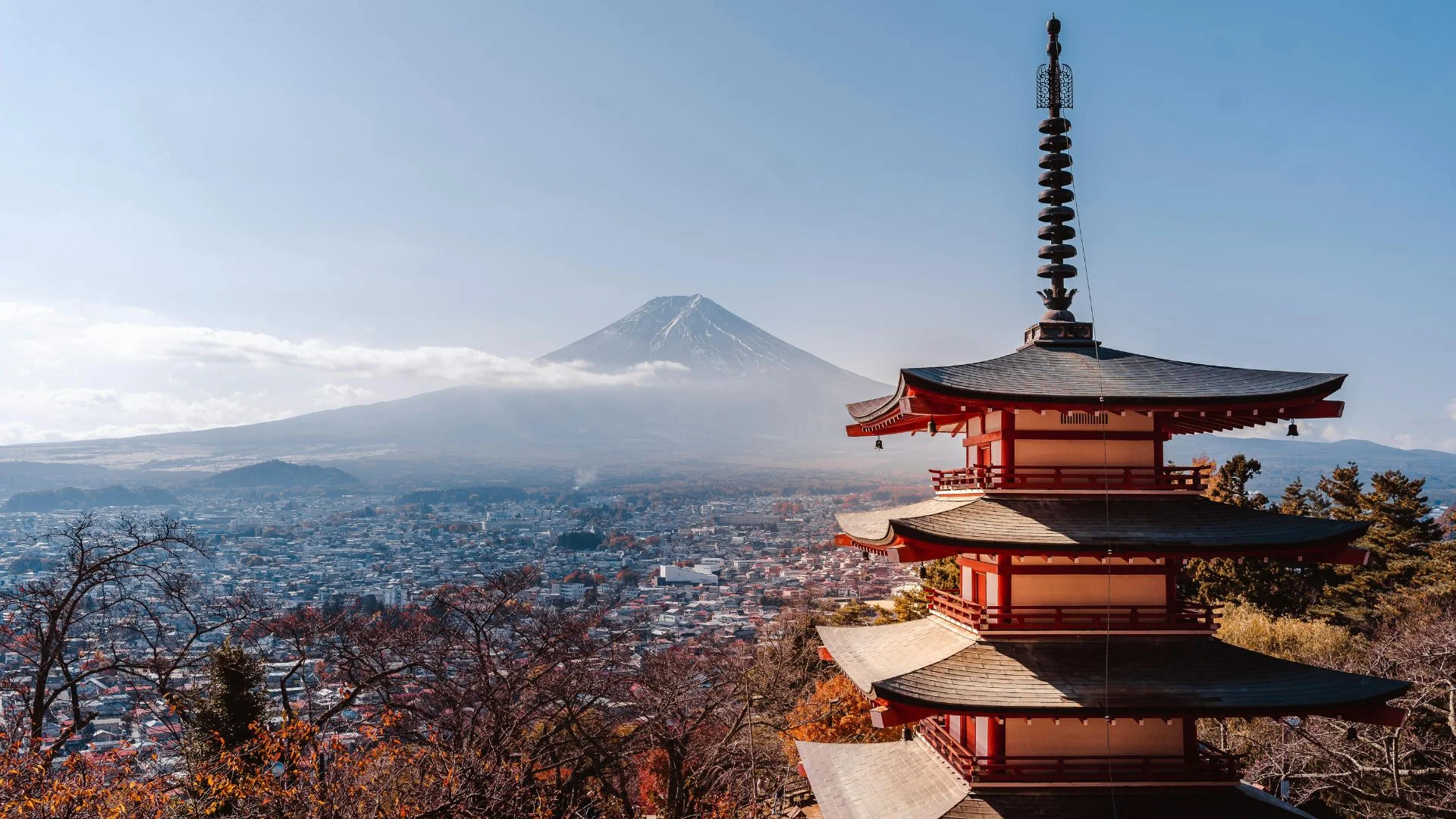
Ever since we realized we would be in Japan during the final days of the short Mount Fuji climbing season, we jumped on the opportunity to re-arrange our schedule and fit it in. The iconic peak, seen as one of Japan's most beautiful attractions, seemed like the ultimate adventure for us as a couple.
We chose the Fujinomiya Trail for our ascent, primarily because of its shorter distance and the prospect of a one-day climb. This trail is the second most popular, offering a steep and direct route to the summit. It allows climbers with limited time to experience the beauty and challenge of Mount Fuji in a single day, if you plan correctly.
Our experience on the volcano was unforgettable, and we learned so much from it. We want to share our journey with you—not just the highs of reaching the summit, but the preparation and practical tips that made our climb successful. Throughout this article, we'll cover everything from how we prepared for the ascent, the climb itself, and the essential advice for future hikers. Join us as we take you through our firsthand journey of climbing Mount Fuji!
.webp)
Mount Fuji holds a special place in Japanese culture, symbolizing beauty, endurance, and spirituality. It attracts thousands of climbers each year, drawn by its iconic shape and the challenge it presents. For us, the hike was about more than just reaching the summit; it was an opportunity to immerse ourselves in a cultural experience and test our physical limits together.
Climbing Mount Fuji is suitable for those with a moderate fitness level and a strong motivation to reach the top. The ascent is not technically difficult, but its steep sections and high altitude require endurance. If you're a beginner, it's important to prepare adequately and pace yourself. Whether you opt for a day hike or an overnight adventure with plans to watch the sunrise, the climb offers different experiences. We chose the one-day ascent via the Fujinomiya Trail, which is known for its shorter distance compared to other routes.
.webp)
Climbing Mount Fuji requires careful planning, starting with choosing the right time. The official climbing season runs from early July to early September. During this period, the weather is more predictable, and the trails are open and safe. We chose to climb in September, since our trip perfectly overlapped during the final few days of the climbing season. Even during the official season, conditions can change rapidly, so always check the weather forecast before your climb. For instance, 3 days before our hike there were severe rain storms that resulted in the main road to the trailhead closing for the day.
In 2026, you'll need to be aware of the climbing rules. A daily limit of 4,000 hikers applies on the Yoshida Trail, and reservations are mandatory. The fee is 4,000 yen, covering trail maintenance and safety measures. While we didn't stay overnight, it's essential to book huts early if you plan to. They fill up quickly, especially during the peak season, and provide a chance to rest and acclimatize to the altitude.
For us, physical preparation was crucial. The hike is demanding, with steep sections and high altitudes. To combat altitude sickness, we acclimatized at the fifth station for 45 minutes before our ascent, as advised. For the latest updates, permits, and detailed information, the official climbing website (fujisan-climb.jp/en) is a valuable resource.
.webp)
Reaching the Fujinomiya 5th Station from western Japan is straightforward but requires early planning. If you are coming from Tokyo, the Yoshida Trail is much more accessible. We based ourselves in Mishima, which turned out to be a pleasant surprise with its charm and delicious dumplings. From there, we hopped on the first bus of the day, the Fugaku Line Express, which departed at 5:30 AM. This bus ride took us directly to the trailhead and cost around 3,000 yen per person. Tickets can be purchased online ahead of your trip.
If you're planning to drive, note that parking restrictions are in place during the climbing season. It's advisable to use public transportation, as the roads leading to the 5th Station are closed to private vehicles. Instead, consider using shuttle bus services from designated parking lots, which offer a reliable and stress-free way to reach the trailhead.
Arriving early is key to avoiding crowds and allowing time for acclimatization. We reached the 5th Station by 7:00 AM and spent about 45 minutes acclimating, as recommended to prevent altitude sickness. The 5th Station itself is well-equipped with facilities for last-minute supplies, water, and restrooms. We grabbed a small climbing stick and water before starting our ascent. It's a great spot to finalize your preparations and take in the views before embarking on the challenging yet rewarding hike up Mount Fuji.
.webp)
Packing for a one-day ascent of Mount Fuji, especially via the Fujinomiya Trail, requires careful consideration of both essentials and comforts. Our experience taught us the importance of packing light yet thoroughly. Here’s our recommended packing list:
While renting gear in Japan is an option, especially if you’re short on time or space, we found buying our gear beforehand more cost-effective and reassuring. Having well-fitted and tested equipment made our climb more comfortable. If you’re planning a climb, consider this checklist a starting point and tailor it to your personal needs and comfort levels.
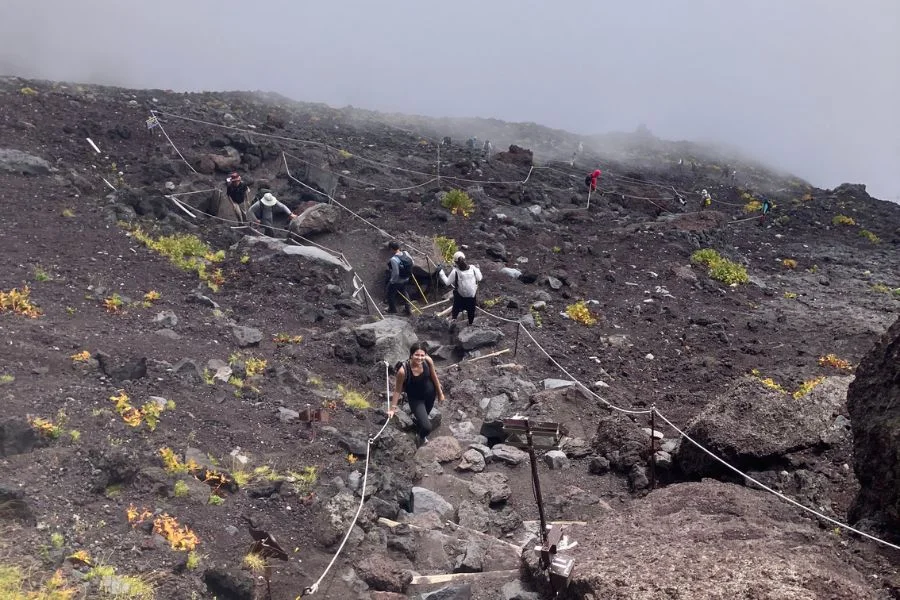
The Fujinomiya Trail stretches approximately 4.3 kilometers, with an elevation gain of around 1,400 meters. Typically, the ascent takes 4 to 6 hours, and the descent 2 to 3 hours, depending on your pace and breaks. Here is how long it took us to hike:
%20(1).webp)
If we were to do it all again, we would certainly have a different approach. Our biggest mistake was underestimating the time it would take to ascend Mount Fuji because of our hard deadline to make the last bus back to Mishima at 5:35 PM. To complete the Fujinomiya Trail during the day, it's essential that you start as early as possible, minimize rest times and pace yourself appropriately. If we had an extra 30-45 minutes coming back down, we would have had a much more enjoyable descent!
The next time we return, we would likely take it slower and stay in a mountain hut during the night and hike up for sunrise. Not because we didn't enjoy the day hike, but because it would be a slower-pace ascent and we would have a different experience from the first trip.
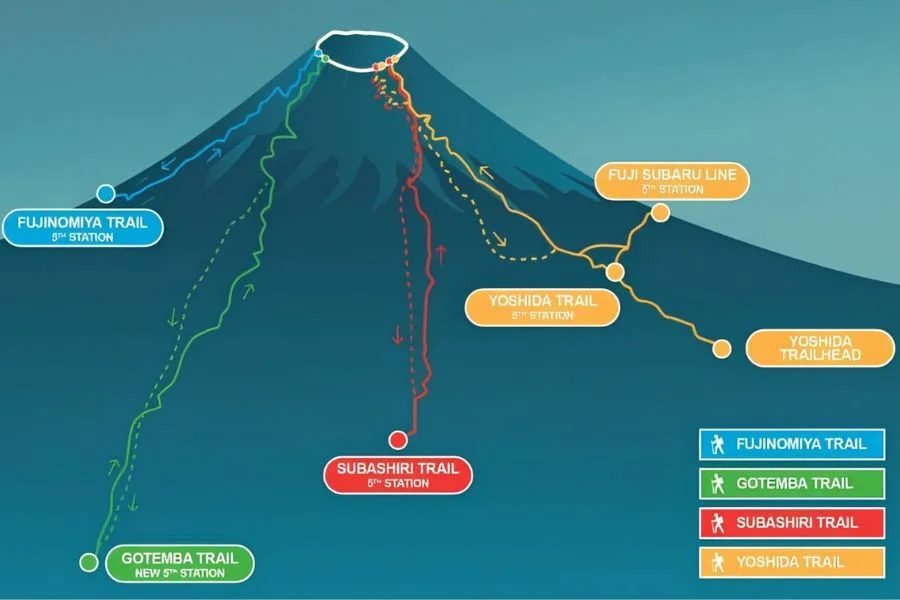
If you are coming from western Japan (Osaka, Kyoto, etc.), the Fujinomiya trail is very convenient, especially since Mishima is a stop on the high-speed Shinkansen trail between Kyoto and Tokyo. If you are coming from Tokyo, the other three trails (Yoshida, Gotemba, and Subashiri) are much more convenient. Yoshida is by far the easiest and shortest of the three on the east side, so we'd recommend starting there.
For the Fujinomiya, Gotemba, and Subashiri Trails on the Shizuoka side of Mount Fuji, download the official SHIZUOKA FUJI NAVI app, complete the short pre-learning module and test, enter your climbing details, and pay the required ¥4,000 hiking fee per person. Once complete, you will receive a QR-code entry permit in the app to present to staff at the trailhead on the day of your climb.
For the Yoshida Trail, follow the instructions and pay the entry fee on the official website: fujisan-climb.jp/en
We used eSIMs on our phones and had service for nearly the entire hike, which was especially helpful when we needed to book our return bus tickets during the descent. Still, we recommend saving screenshots of your entry permit, bus schedule and reservation details before beginning the climb, just in case your connection is unreliable.
We recommend bringing at least ¥10,000 per person in cash so you do not have to worry about running short on the mountain. During our climb, restrooms, water and small purchases were often around ¥300 each, while a Mount Fuji walking stick cost around ¥1,000, so the expenses can add up quickly over a full-day hike.
Leave significantly more time than you think you will need. Our descent on the steep, loose-rock Fujinomiya Trail took a full three hours, and underestimating it led to us nearly missing the final bus back to Mishima.
.webp)
Yes — climbing Mount Fuji was absolutely worth it. It was challenging, more exhausting than we expected, and our rushed descent back to the final bus was not something we would plan to repeat. But standing at the summit, looking into the crater of Japan’s highest mountain, and knowing we had made it all the way up together made it one of the most unforgettable experiences of our trip.
If you are already traveling all the way to Japan and enjoy a physical challenge, climbing Mount Fuji is a relatively small addition to your itinerary for an experience that feels truly once in a lifetime. Set aside one full day for a one-day climb, or two days if you want to stay in a mountain hut and experience the hike at a slower pace.
Our biggest advice is to prepare well, start earlier than you think you need to, bring more water than you expect to use, and leave plenty of time for the descent. The climb is demanding, but the views, the summit, and the story you bring home with you are more than worth it.